
Optimal Seasons for Solar Panel Service
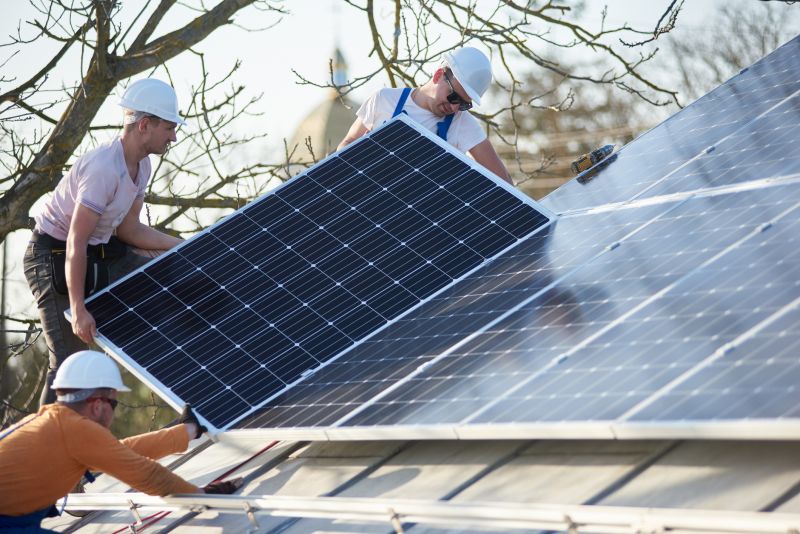
Spring is ideal for inspecting and cleaning solar panels after winter weather exposure.
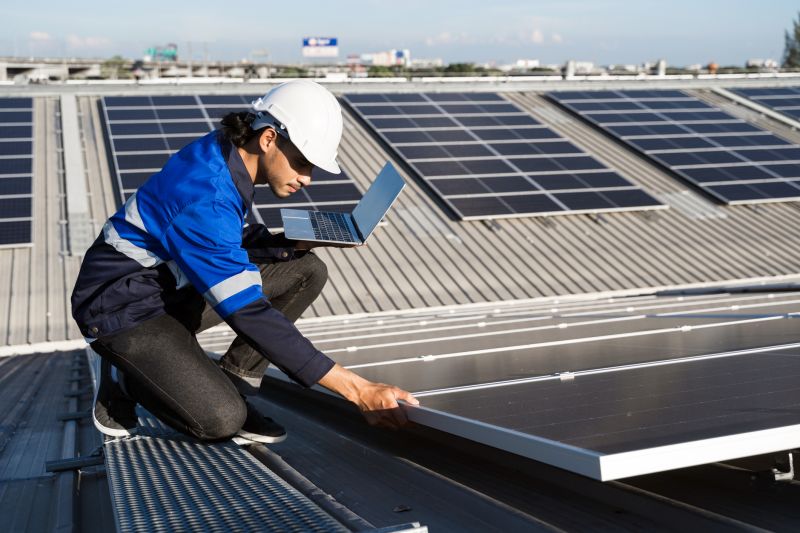
Summer offers longer daylight hours, making it a good time for performance assessments.

Fall is suitable for preparing panels for winter, ensuring optimal efficiency.

Ways to make Solar Panels Service work in tight or awkward layouts.
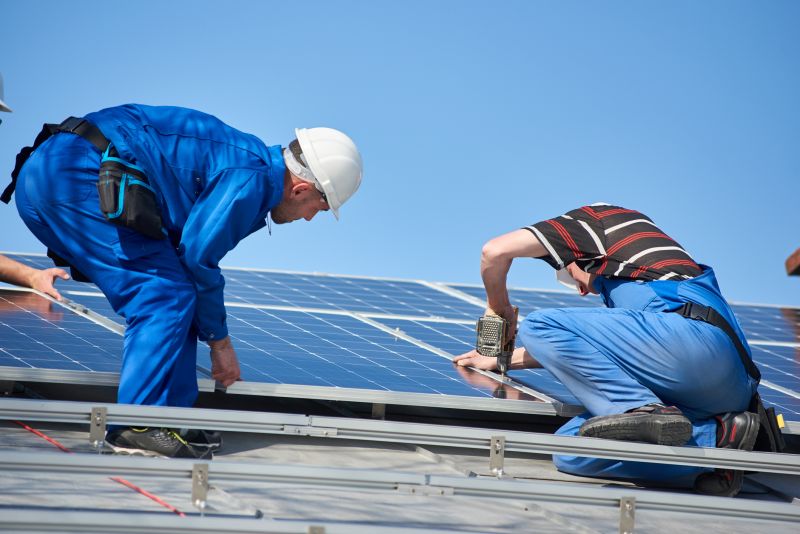
Popular materials for Solar Panels Service and why they hold up over time.
Simple add-ons that improve Solar Panels Service without blowing the budget.
Solar panels require regular service to maintain optimal performance and longevity. Proper timing for maintenance can prevent efficiency loss due to dirt, debris, or weather-related wear. Seasonal inspections help identify potential issues early, ensuring maximum energy production throughout the year.
Spring, summer, and fall are recommended for routine inspections and maintenance activities.
Performing service during mild weather conditions reduces the risk of delays and enhances safety.
Regular checks can detect shading, dirt buildup, or damage that affects energy output.
Cleaning is most effective during dry seasons with less rain to wash away debris.
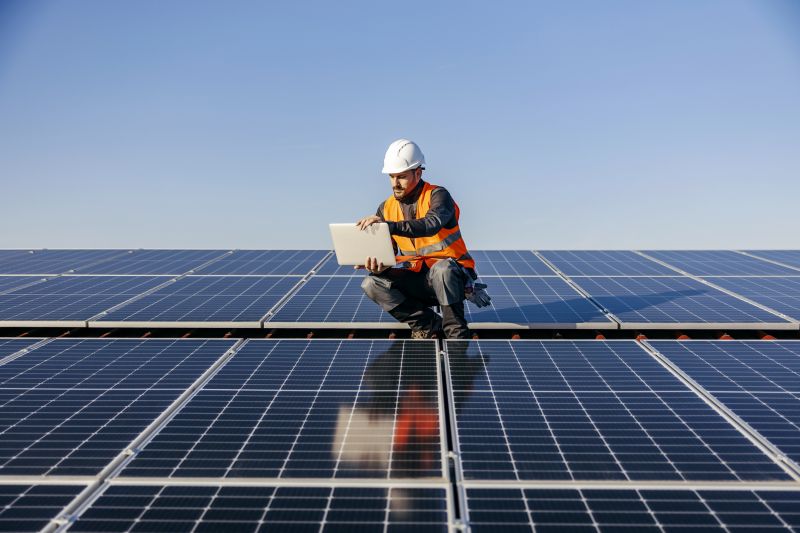
Routine inspections help identify potential issues early.
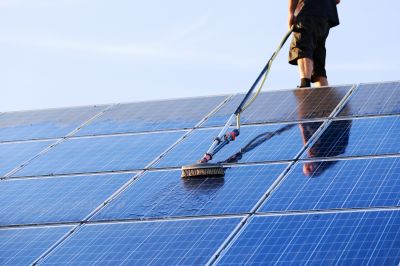
Cleaning during dry, sunny periods optimizes energy production.
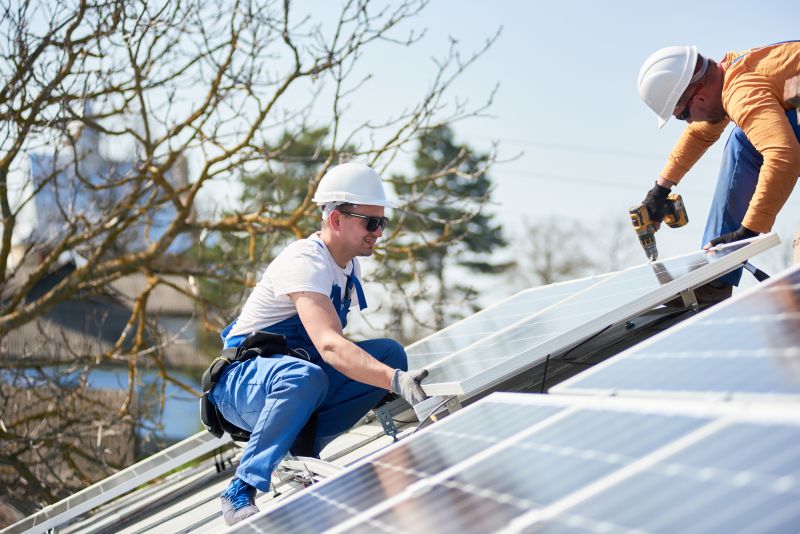
Regular service can detect physical damage from weather events.
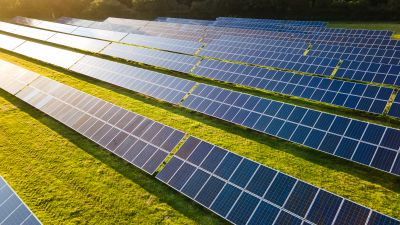
Timely service ensures panels operate at peak efficiency.
| Season | Recommended Service Activities |
|---|---|
| Spring | Inspection, cleaning, and system check |
| Summer | Performance assessment and minor cleaning |
| Fall | Preparation for winter, thorough inspection |
| Winter | Limited service; focus on damage assessment |
Scheduling solar panels service during optimal seasons can enhance energy efficiency and system lifespan. Regular maintenance ensures panels operate effectively, especially in regions with variable weather conditions like Mercer County, NJ. Proper timing helps prevent costly repairs and maximizes return on investment.

Removing dirt and debris improves energy absorption.

Checking for damage or shading issues.
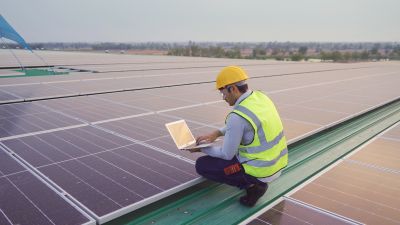
Tracking energy output to identify inefficiencies.
Regular maintenance ensures consistent energy production and prolongs system life.
Weather conditions influence the best timing for service activities.
Adjusting maintenance schedules according to seasonal needs optimizes performance.
Continuous monitoring helps determine the right time for maintenance.
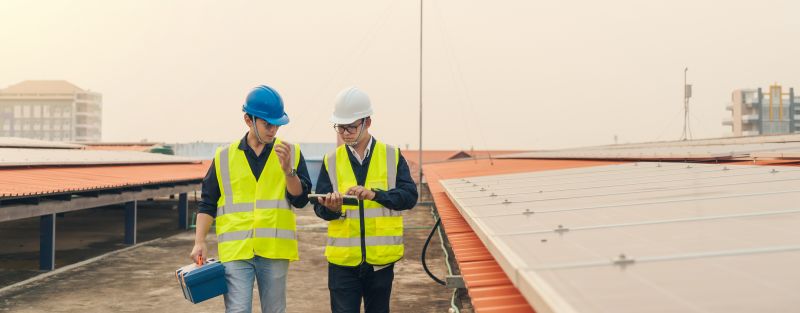
Ensures all components are functioning properly.

Use of specialized tools for effective cleaning.
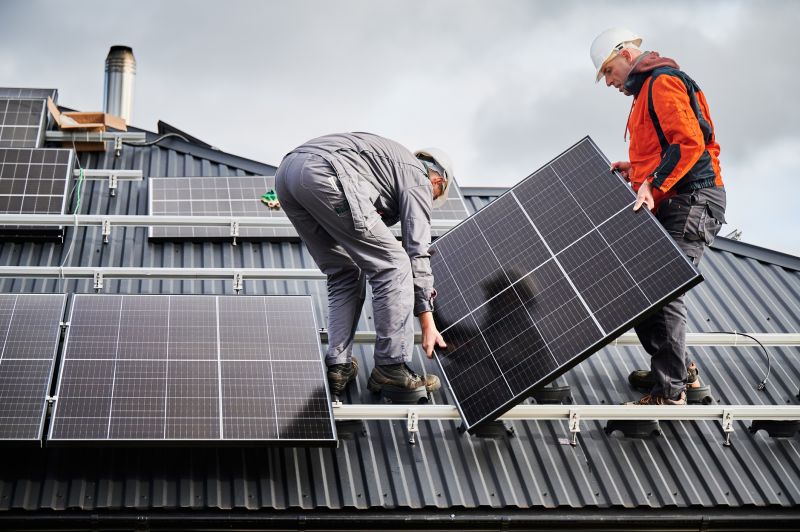
Timely repairs prevent efficiency loss.

Analyzing data to optimize system performance.
Interested parties are encouraged to contact for more information about scheduling solar panels service. Proper timing and regular maintenance can ensure panels operate efficiently and provide reliable energy generation over their lifespan.